
What an OEM Approval Is and Why It Matters
An OEM approval certifies a lubricant meets a specific OEM’s performance specification for their hardware. It is the only reliable assurance that the formulation has been tested and validated as required by the OEM, reducing the risk of engine damage and poor performance compared to non-approved claims.
Specification Landscape
Industry specifications such as API, ILSAC, ACEA and JASO define the baseline performance via prescribed laboratory and engine test sequences across broad engine populations. OEM specifications (e.g. BMW LL-04, VW 504 00/507 00, Volvo VDS-4.5) build on or go beyond industry specifications to address the unique lubrication environment inside each OEM’s hardware and are often more stringent. Many manufacturers today develop their own engine oil specifications requiring rigorous laboratory and engine testing.
Why Do Specifications Exist?
Specifications exist to:
- Keep lubricants aligned with evolving engine designs and stricter emission rules.
- Enable fuel-economy targets at lower viscosities or oil volumes while maintaining durability.
- Provide objective proof that oils protect components and support longer service life.
How Is Engine Oil Specification Validated?
Specification is typically validated through the following:
- Physical limits: Ensures the lubricant has the correct viscosity to provide protection at temperature extremes to ensure cold start flow and high temperature film strength.
- Chemical limits: Ensures the lubricant has correct chemical composition for corrosion control, acid neutralisation and SAPS management to protect after-treatment devices such as DPF, GPF and TWC.
- Engine and Laboratory tests: Ensures the lubricant provides deposit control, LSPI and wear mitigation as well as fuel-economy performance.
- Market-specific tests: For example, motorcycle oils include clutch friction testing. Heavy-duty and marine programs often add field trials due to engine scale and operating realities.
What Is the OEM Approval Process?
Approval processes may differ and vary from OEM to OEM. There are generally 3 types of OEM approval process:
Original Approval: The technology provider finalises the formulation (base oil, additive package, viscosity modifier) and completes the OEM’s test matrix. OEM reviews the data and grants approval to the exact formulation. This testing is expensive and involves significant investment and competency in test rigs, hardware, engine components and infrastructure.
Reblend Formula: Oil marketer validates that its manufactured product exactly matches the approved formulation with agreed tolerances. OEM reviews and approves the marketer’s blend.
Rebrand Approval: Administrative sign-off to seek the same approved formulation under additional product names or packs. While no additional testing is required in the rebrand phase, approval is still required to validate brand names etc.
What Is the Value of OEM Approvals?
An oil with formal OEM approval has been tested in the same hardware and components that built the vehicle. It protects the vehicle warranty and may be a requirement to make sure the vehicle meets its fuel economy, service life and emission expectations. This can be especially important as the oil ages and is no longer “new”.
Most OEMs publish controlled list of oils they have approved so workshops can identify which products are suitable for each vehicle.
OEM approvals are critical for vehicles under warranty, as warranty investigations require verification that an approved lubricant was utilised.
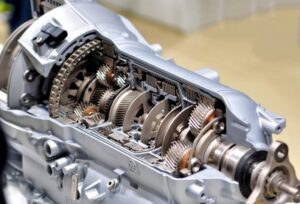
OEM Approvals also apply to transmission fluids, axle lubricants and engine coolants.
OEM Approved Versus Other Label Claims
OEM Approved” means that the OEM reviewed the data and issued a formal approval for the specification.
“Meets Requirements” or “Recommended For” or “Suitable for Use” are marketer assertions that may rely on incomplete data, obsolete specification, older version of the specification and may lack engine-test evidence, often insufficient for warranty assurance.
“OEM Approved” minimise the risk and guarantee the OEM has validated the formulations’ performance.